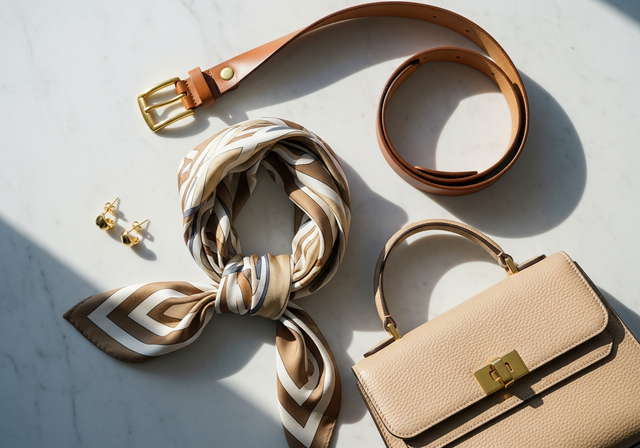
Accessorising Basics: How to Transform a Simple Outfit
A white tee and dark jeans say almost nothing on their own — which is exactly why they are the perfect canvas. Change th...
Your cart is empty
Start typing in the search field above to see instant search results.
The hardest days to dress for are the in-between ones. You leave at eight when it is cold and damp; by two the sun is out and your coat is dead weight over your arm. No single heavier garment can solve a day that swings fifteen degrees from morning to afternoon.
The answer is not one perfect piece — it is a small system you can adjust. Layering, done with a little thought, lets one outfit carry you across a whole shifting day without ever leaving you too hot or too cold.
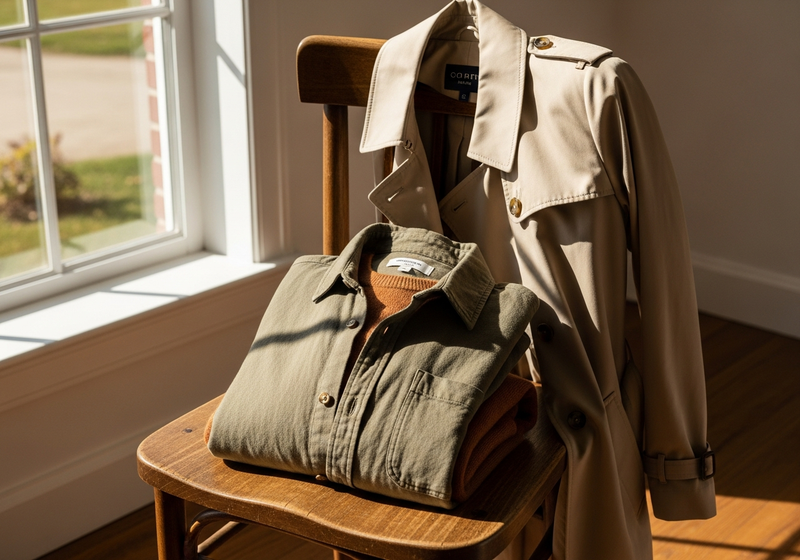
A reliable transitional outfit has three parts: a light base against the skin, a removable mid-layer for warmth, and an outer piece you can carry once it warms up. The discipline is that each layer must look intentional on its own — because at some point in the day you will be wearing it alone.
Dress for the day you will have, not the moment you step outside. The best transitional outfit is the one you never think about again after 8am.
When you put a transitional outfit together, work from the skin outward and check that each layer stands on its own before you add the next:
Mornings are crisp, afternoons mild. Lean on breathable natural fibres and lighter outer layers you can fold into a bag by lunch.
The reverse of spring — warm middays, cold evenings. Add insulation you can layer back on as the light fades.
Our seasonal edit is built around versatile layers designed to work together across the whole year.
A white tee and dark jeans say almost nothing on their own — which is exactly why they are the perfect canvas. Change th...
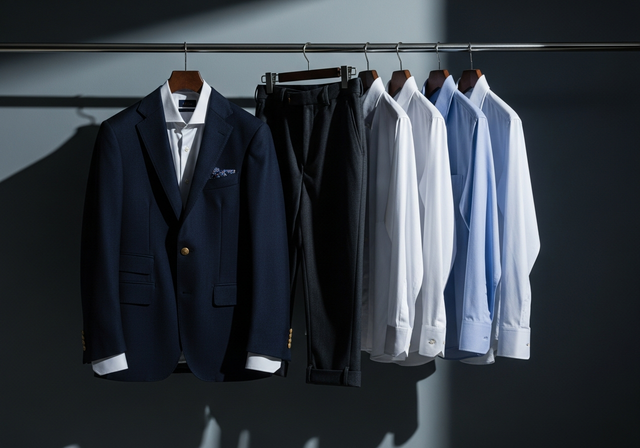
The office dress code has loosened, but looking pulled-together still matters. The fix is not a bigger wardrobe — it is...